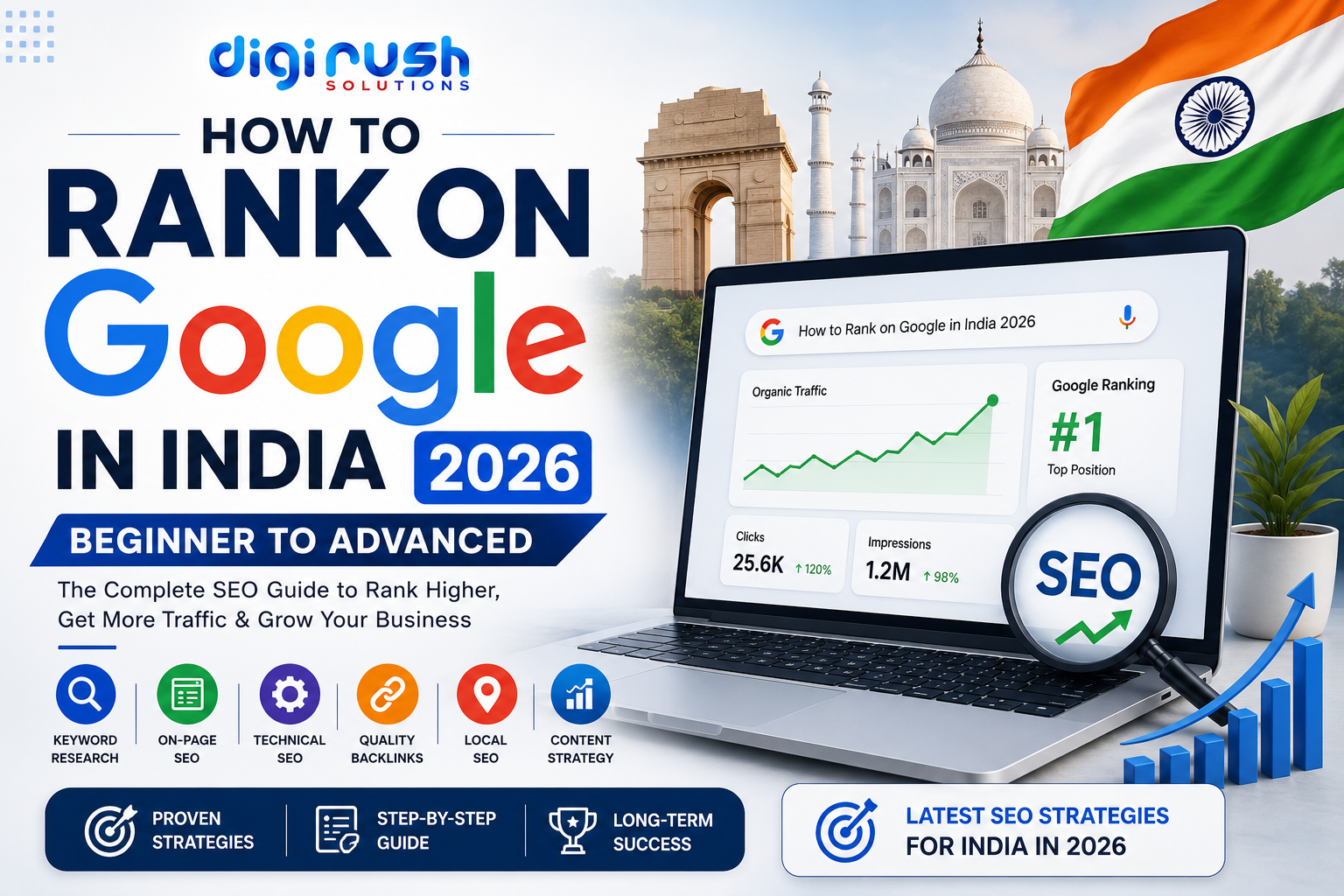
Ranking in Google’s India listings by 2026 requires the balancing of more elements than ever before. There has been a massive core update that has changed ranking positions, AI Overviews appear ahead of organic search listings for certain searches, and Indian search behavior continues to evolve in terms of language and dialect preference. But the basics will continue to govern winners and losers, just with some additional layers built on top. Here is your guide from beginner to expert in 2026.
Beginner: Get the Foundations Right
Before optimizing for anything advanced, get the basics solid — most ranking problems start here, not with algorithm complexity.
Start with real search intent. Tools like Google Search Console, Google Trends, and "People also ask" boxes reveal what your audience actually types, including the English and regional variations common across India. A page built around a specific, intent-matched phrase will consistently outperform one built around a vague, broad term.
Fix on-page basics next: a unique title tag per page, a meta description that earns the click, one clear H1, logical subheadings, and internal links connecting related pages. Nothing about any of it is thrilling, but that's exactly what Google will see first.
Go mobile-first, considering that most of the Indian search traffic comes from mobile devices. A poorly-performing mobile site, irrespective of its high-quality content, will fail you. This means that you should optimize images for faster loading and use a lightweight theme. For better local presence, it is imperative to claim and optimize your Google My Business Profile, while making sure that your business’s name, address, and contact information are consistent on other directories such as Justdial, Sulekha, and IndiaMart. When managing citations, reviews, and local listings begins to be an overwhelming task, most businesses opt for a reliable local seo agency.
Last, write content that actually helps someone. A page stuffed with keywords but light on real answers won't hold up under Google's current quality systems. Solve a specific problem, answer a specific question, and write like you're talking to a person rather than a crawler — this single habit fixes more ranking problems than any technical trick on this list.
Intermediate: Build Authority and Technical Strength
After we’ve laid the foundation, the next stage is to build credibility and show how tough your website is to Google and the AI engines reading your site.
E-E-A-T comes into play; make sure you have genuine author information, real-life case studies, and credible reviews from satisfied customers. You can achieve topical authority through the creation of content clusters; a well-built pillar page with sub-topic posts linking back to it will always perform better than random unconnected pieces of content.
SEO technicalities should not be overlooked; Core Web Vitals, particularly Interaction to Next Paint, now impact ranking on Google. This is how structured data comes into play for FAQs, articles, and local businesses.
This stage looks different depending on your business model. For online stores, priorities shift toward product page optimization, category structure, and fixing duplicate-content issues caused by filters and variants — which is exactly why dedicated best ecommerce SEO services in India always start with a thorough technical audit before getting into any content optimization.
If you're specifically on Shopify, platform quirks around app bloat and URL structure mean a shopify seo agency familiar with the platform will often catch issues a generalist consultant misses.
And if growth depends on multiple city or service-area pages, a local SEO company in India can manage citation consistency and location-specific content that's tedious to maintain manually but compounds significantly over time.
Earn backlinks instead of buying them — a handful of relevant, genuine links beats hundreds of low-quality ones. And don't panic after a core update; the fix is usually a broad site-quality improvement, not deleting pages in a hurry.
Advanced: Combine SEO With Paid and AI-Era Tactics
Here is where most sites continue to lag.
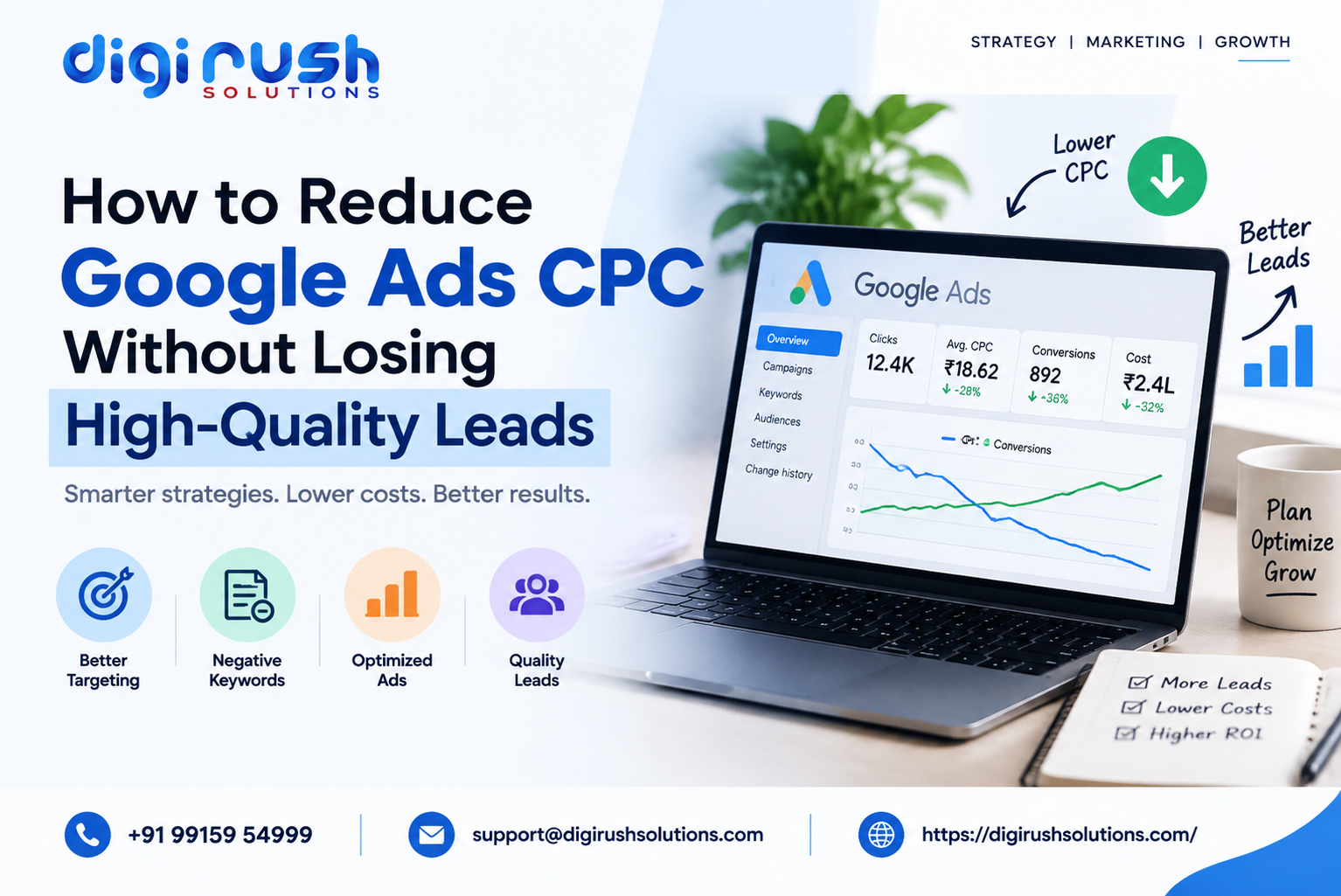
Organic SEO compounds, but it's slow by design — which is why most serious 2026 strategies pair it with pay-per-click advertising in India for immediate, controllable visibility on high-intent terms while the organic strategy matures. Otherwise, you run the risk of throwing away money in the pursuit of broad, untargeted keywords, which means you need to work with a professional PPC agency in India matters more than the ad platform itself.
A genuinely best ppc agency India team will usually start narrow — a handful of bottom-of-funnel, high-intent terms — rather than spreading budget thin across everything at once.
As far as organic, optimize your site for AI Overviews – most of the AI mentions are coming from pages ranked on the first page, so you need to give It may be tempting to give a simple response right off the bat, but always support your claims with sources and use a question-and-answer format for key sections.
Rather, think hyper-local rather than local, and create separate, useful pages combining services and cities, rather than creating a general page for the entire nation. Also, remember to design queries for Hindi, Hinglish, or other regional languages that will be used on search engines. Finally, you have to create your business brand through various channels including Google Maps, YouTube, social media sites, and forums, rather than merely relying on your own site.
Conclusion
It isn't one simple tactic that gets your site ranked at the top on Google by 2026, but rather the cumulative impact of fundamentals, authority, and good content. For the way people and AI really search today. Start with the beginner basics, layer in authority and technical fixes, then turn to paid and AI-era tactics once the foundation can support them.
Recent Blog